★★★★☆4.5(226 reviews)
Call Bell Bluework Embroidery Design Review
First Impressions: A Timeless Touch for Branding
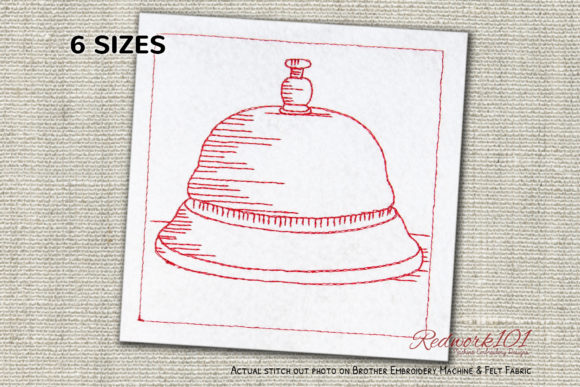
As an experienced embroidery designer, the first thing that stands out about Call Bell Bluework is its visual personality. The title suggests a classic or nautical influence—perhaps reminiscent of rope patterns or traditional maritime motifs. Upon reviewing the design description and understanding it’s primarily categorized as a background, I immediately start thinking about how it can elevate small business branding through embroidery. The phrase “The Box Stitch shown in picture is optional” tells me this is a flexible file, suitable for both simple and more intricate applications. The note about the outer box being a different color unless part of the design itself gives me confidence in the adaptability of Call Bell Bluework. It feels like a machine embroidery design that could be used to frame other logos or text elements, especially on branded merchandise. For businesses looking to add a touch of sophistication or a hint of tradition to their products, this design has potential. Its bluework aesthetic evokes a sense of elegance, making it ideal for brands that want to appear premium yet approachable. Whether you're running a boutique, café, or Etsy shop, the right background pattern can significantly enhance your brand's visual identity without overpowering it.Real Business Use: Where Call Bell Bluework Shines
Call Bell Bluework isn’t just decorative—it can serve a functional role in branding when applied correctly. Here are some scenarios where this digital embroidery file could work well:- Embroidered Patches: This design is great for creating subtle yet stylish patches. If you’re a handmade brand or craft business owner, using it as a background behind a logo patch adds depth and professionalism.
- Staff Uniforms: When used as a chest logo accent or sleeve detail, it can give uniforms a cohesive look without being too flashy. Especially effective on light-colored fabrics like white or cream.
- Apron Embroidery: As a border or corner motif on aprons, it enhances the overall appearance of custom apparel while maintaining a clean, organized layout.
- Cap Embroidery: On the back or sides of caps, it adds texture and interest without distracting from the main branding message.
- Tote Bag Design: When placed discreetly along the seams or near the handles, it reinforces brand identity subtly and stylishly.
- Work Shirts & Product Packaging: Used as a background pattern for embroidered labels or tags, it brings a refined edge to product packaging accents and branded items.
- Boutique Merchandise & Customer Gifts: Incorporating Call Bell Bluework into event merch or promotional gifts helps maintain a consistent visual theme across all small business merch.
- Etsy Branding & Craft Business Assets: For those selling handmade products online, this design adds a premium feel to digital embroidery files used on bags, shirts, or even packaging wraps.
Where Caution Is Advised
While Call Bell Bluework is visually appealing, there are specific contexts where it may require careful consideration:- Small Patch Sizes: The intricate nature of the pattern might get lost if not scaled properly. Always test at the intended size before mass production.
- Cap Fronts: Avoid placing it directly in the center of a cap front unless it’s simplified. High stitch density could make it uncomfortable or less legible on curved surfaces.
- Tiny Lettering: If you plan to embed text within the design, ensure the font is large enough to remain readable after embroidery.
- Textured Fabrics: The fine details of bluework may not show up well on canvas or denim due to fabric texture. Smooth cotton blends tend to yield the best results.
- Dark Uniforms: Thread colors must be carefully selected to ensure visibility. Light thread on dark fabric may not hold up well under frequent washing or exposure to sunlight.
- High Stitch Density Areas: While bluework is typically low-density, overlapping it with other high-density designs (like logos) could cause puckering or distortion.
Impact on Brand Identity and Professionalism
Using Call Bell Bluework in your brand identity can create a sense of timelessness and quality. The design contributes to a polished look that communicates attention to detail and craftsmanship. Whether stitched onto tote bags or woven into custom apparel, it helps build customer trust by showing a commitment to professional presentation. This bluework pattern is excellent for visual consistency across your product line. Imagine using it as a repeating border on handmade product labels or as a subtle backdrop on commercial embroidery for packaging. Such repetition strengthens brand recognition and creates a signature style that customers can easily associate with your business.Designer Tips for Optimal Results
Before incorporating Call Bell Bluework into your next project, consider the following practical advice:- Test in Black and White First: Since the outer box is often a separate color, evaluate the design without it to see how it interacts with your primary branding elements.
- Check Small Patch Size Compatibility: Resize the design to fit a 2x2 inch patch and inspect the clarity of lines and stitch flow.
- Review Thread Color Contrast: Choose thread colors that stand out against your base fabric but still maintain the soft, elegant feel of bluework.
- Inspect Spacing and Flow: Ensure that the pattern doesn’t become cluttered when combined with other design assets. Balance is key for readability and aesthetics.
- Confirm Hoop Size Requirements: Without clear specifications, always verify what hoop size is needed to avoid resizing issues or embroidery errors.
- Test on Real Fabric: Don’t rely solely on digital mockups. Stitch it onto the actual material you’ll use for production to assess performance and durability.
- Use Proper Stabilizer: To prevent distortion, especially on stretchy or thin materials, opt for a cutaway or tear-away stabilizer depending on the fabric type.
- Create a Printable Mockup: Share a sample with your client to visualize how the design will look on the finished product—whether it’s a cap, tote bag, or apron.
- Compare With Other Design Assets: Make sure it complements your existing logo, font choices, and color scheme for a unified brand identity.
- Confirm Commercial Licensing: Before using Call Bell Bluework in any commercial embroidery project, ensure you have the proper rights to reproduce it at scale.
Final Thoughts: A Refined Choice for Branded Merchandise
In conclusion, Call Bell Bluework is a solid option for small businesses aiming to enhance their product labels, custom apparel, and branded merchandise with a touch of class. Its adaptability and timeless appeal make it a valuable addition to any designer’s toolkit, especially when working with clients who value handmade presentation and visual consistency. However, its effectiveness depends heavily on context. It thrives on smooth, light fabrics and larger embroidery areas, but requires extra care on curved or frequently washed items. By testing it thoroughly and integrating it thoughtfully into your design assets, you can leverage its charm to elevate your brand’s image and create lasting impressions on your audience. If you're ready to bring a bit of tradition and elegance to your next embroidery file project, Call Bell Bluework is definitely one to consider—but don’t skip the essential prep work.
⬇️ Download Free
Free download · No sign-up required
🔗 You Might Also Like
Backgrounds
First Impressions of Bicycle Bells Bluework As an experienced embroidery designe...
Backgrounds
As an experienced embroidery designer with years of working on branded merchandi...
Backgrounds
If you're an embroidery designer or a creative entrepreneur preparing for a craf...
Backgrounds
As an experienced embroidery designer, I've had the chance to review countless d...
Backgrounds
First Impressions and Visual Personality The New Year Celebration with Statue of...
