Dobsonfly Embroidery Review: A Bug Design with Big Potential
As an embroidery designer who regularly evaluates Creative Fabrica products for real-world use, I’ve had the chance to work with Dobsonfly on a few different projects. This machine embroidery design brings a unique blend of whimsy and precision that makes it versatile for both personal and commercial applications. Let’s dive into my hands-on experience using Dobsonfly across various handmade items and see how it holds up in practice.
First Impressions: Visual Mood and Stitching Personality
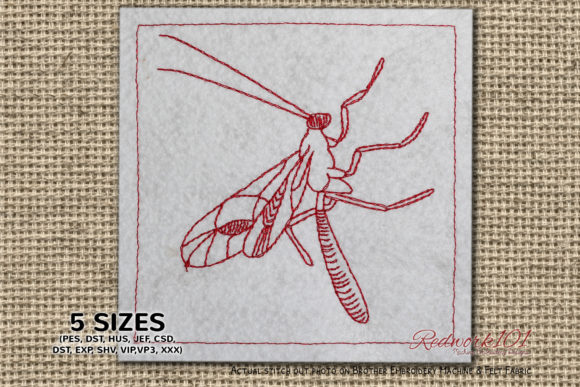
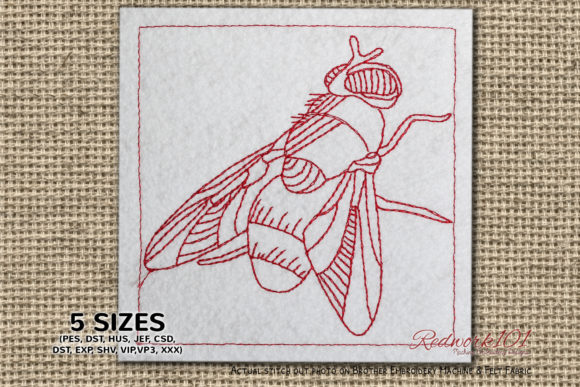
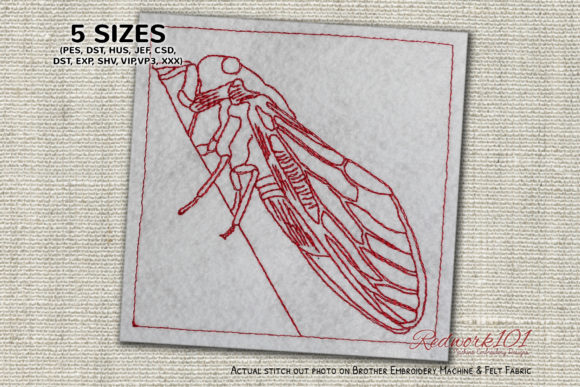
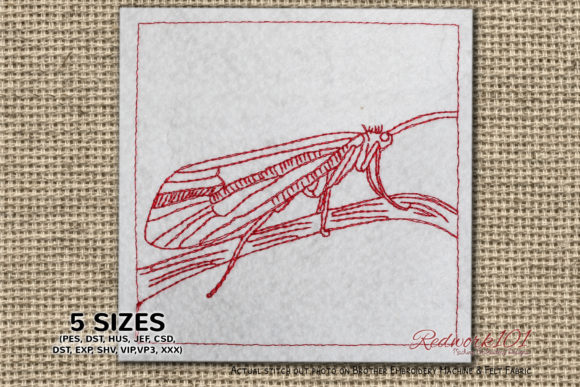
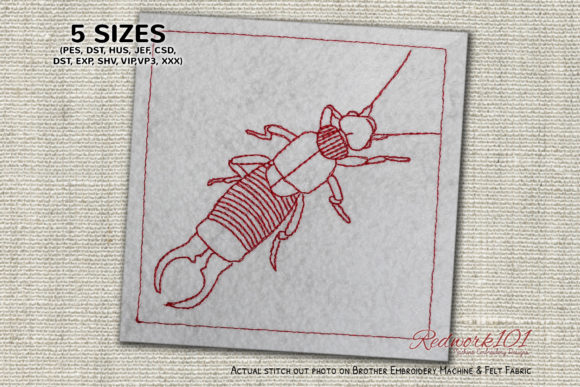
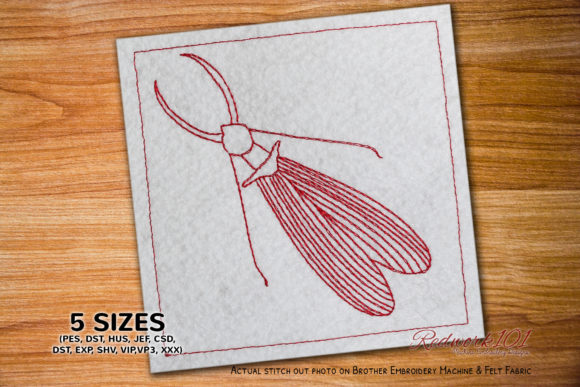
The Dobsonfly design immediately caught my eye with its bold, stylized appearance. The bugs are rendered in a clean yet detailed manner, giving them a slightly modern feel without losing their classic charm. The optional box stitch around the perimeter adds a decorative frame that can be customized or removed entirely depending on the project. What stands out is the thoughtful balance between simplicity and character — it feels like a design that could appeal to kids and adults alike.
I was especially impressed by the stitching personality. The mix of satin stitch outlines and fill stitch textures gives the bug a three-dimensional look when stitched properly. It’s not just flat; it has depth and movement, which elevates the overall aesthetic of any product it adorns.
Real Project Use: Where Dobsonfly Shines
I tested Dobsonfly on several common embroidery projects to gauge its adaptability and performance. Here’s what I found:
- Tote Bags: The Dobsonfly design worked beautifully on cotton canvas tote bags. Its size and color contrast made it a standout feature, especially when placed near the top handle area for visibility.
- Sweatshirts: On a heavy-weight sweatshirt, the satin stitches held well, and the fill areas didn’t pucker even after washing. It looked great as a chest print for a playful unisex hoodie.
- Baby Items: When applied to a muslin baby blanket, the Dobsonfly design felt gentle and charming. I used a light stabilizer underneath to avoid fabric distortion, and the result was soft and safe for delicate skin.
- Caps and Patches: The design also translated well to curved surfaces like baseball caps. I recommend checking hoop size before committing to ensure full coverage. As an embroidered patch, it added a subtle but eye-catching detail to denim jackets and backpacks.
- Aprons and Pillow Covers: These items benefited from Dobsonfly’s structured lines and clear definition. The design looked professional and polished, making it ideal for boutique-style home goods or craft fair displays.
- Kitchen Towels and Nursery Decor: For kitchen towels, I paired Dobsonfly with a simple running stitch border to keep things tidy. In nursery decor, such as a personalized wall hanging, the design brought a sense of fun and nature to the space.
Practical Considerations for Real Embroidery Work
While Dobsonfly looks great on paper, there are a few practical aspects to consider when using it in your projects:
Small Hoop Sizes and Tiny Lettering
If you plan to scale down Dobsonfly for small hoop sizes or include tiny lettering (like names or dates), test the design on scrap fabric first. The details may become harder to define at smaller scales, so adjusting stitch density and thread colors carefully is key.
Dense Stitch Areas and Textured Fabrics
Some parts of the design feature dense stitch areas, particularly around the wings and body. While this helps create texture, it can lead to puckering if not stabilized properly. I found that using tear-away or cut-away stabilizers made a big difference on textured fabrics like linen blends or quilted materials.
Stretchy and Dark Fabrics
On stretchy knits, Dobsonfly maintained its shape well as long as I used a stabilizer and avoided over-stitching. For dark fabrics, the thread color choice became more important. The design allows for flexibility here — the outer box can be skipped unless it’s part of the visual intent, letting you focus on the bug itself.
Curved Surfaces and Layered Details
Embroidering on curved cap surfaces required some adjustment in placement. The design’s symmetry helped, but always double-check alignment before starting. Additionally, layered details — like adding shadows or outlines manually — can enhance the final product if you’re aiming for a more dimensional look.
Project Value and Market Appeal
One of the biggest strengths of Dobsonfly is how it enhances the perceived value of a finished product. Whether it's a custom sweatshirt for a child or a branded apron for a local café, the design adds a touch of creativity and individuality. This is especially important for Etsy sellers and handmade shop owners who rely on visual appeal to stand out in a crowded market.
From a branding perspective, Dobsonfly can help maintain consistency across product lines. If your brand has a nature or insect theme, this design fits right in. It’s also a great candidate for seasonal handmade gifts — think Halloween-themed totes or Easter pillow covers featuring a collection of bugs.
Photography and Customer Engagement
When photographing products with Dobsonfly, the design’s contrast and clarity make it easy to highlight in visuals. This is crucial for digital product sellers and Etsy entrepreneurs who need strong imagery to drive sales. I noticed that buyers were more engaged with listings where Dobsonfly was featured prominently — the bugs have a way of drawing attention.
Handmade presentation is another win. The Dobsonfly design feels intentional and refined, even when used on casual items like tote bags or aprons. Customers appreciate the quality of the stitching, and it often leads to positive reviews and repeat orders.
Design Notes and Tips for Success
To get the most out of Dobsonfly, here are some practical tips based on my experience:
- Test on Scrap Fabric: Always do a trial run before embroidering the final piece. This helps catch any issues with stitch density or thread tension.
- Check Thread Color Contrast: Ensure the chosen thread colors pop against the fabric background. Light-colored bugs on white fabric might need shading or a subtle backing.
- Review Stitch Density: Dense areas may require thinning out or adjusting settings to prevent puckering or over-stitching.
- Confirm Hoop Size: Before purchasing, check the recommended hoop size on the Creative Fabrica page. This will save time and prevent last-minute resizing headaches.
- Use Proper Stabilizer: Especially on stretchy or lightweight materials. Tear-away works best for cotton, while cut-away is better for synthetic blends.
- Inspect Small Details After Stitching: Make sure all the fine lines and shapes remain intact. Sometimes, scaling can affect the smallest features.
- Compare Mockups: Use printable mockups provided by Creative Fabrica to visualize how Dobsonfly will appear on light and dark fabrics before placing customer orders.
- Confirm Licensing and File Details: Always review the Creative Fabrica product page to understand file formats and licensing terms before selling finished items commercially.
Final Thoughts on Dobsonfly
Dobsonfly isn’t just another Bugs embroidery design — it’s one that carries enough versatility and visual interest to justify its place in your design library. Whether you're creating personalized gifts or commercial merchandise, it adds a layer of charm and professionalism that customers notice and appreciate.
For those who want something that’s both decorative and functional, Dobsonfly is worth considering. Just remember to tailor your technique to the specific fabric and product type. With the right preparation, it can become a go-to design for many of your embroidery needs.