New Year Antique Lamp Embroidery Design Review
As an experienced embroidery designer with years of working on branded merchandise for small businesses, I’ve reviewed countless machine embroidery designs. The New Year Antique Lamp Design stands out not just for its aesthetic appeal but also for the versatility it offers in commercial settings. This design is positioned under the "Backgrounds" category and labeled as an "Embroidery" product type, which immediately tells me it can serve as a foundational element in a broader visual strategy for your brand.
First Impressions: Rustic Elegance Meets Modern Branding
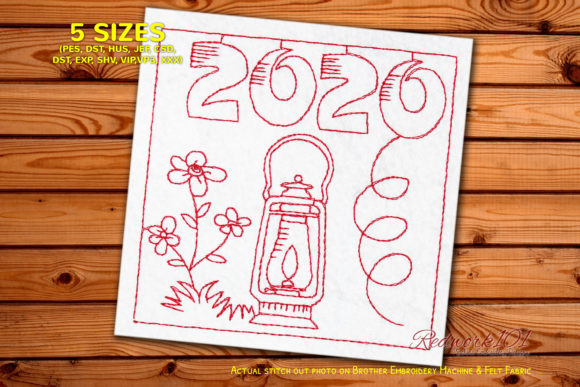
The title itself, “New Year Antique Lamp,” gives a strong sense of character — something timeless yet festive. Based on that name alone, I expect a design that evokes nostalgia and charm, perfect for brands aiming to add a touch of warmth and tradition to their small business merch. The mention of the box stitch being optional and the outer box color being customizable adds flexibility. This isn’t just a decorative motif; it’s a smart choice for businesses looking to maintain control over how their branding appears across different materials and colors.
This design feels both premium and handmade, making it ideal for artisanal or locally owned businesses such as cafés, bakeries, florists, pet brands, or Etsy sellers who want their custom apparel and patches to reflect quality and attention to detail. It's elegant enough for boutique-style products but also has a subtle rustic feel that could complement farmhouse aesthetics or vintage-inspired branding.
Real Business Use: Where This Design Shines
The New Year Antique Lamp Design is more than just a pretty pattern — it's a strategic asset for building brand identity through embroidered details. Here are some of the most effective ways this design can be used:
- Staff uniforms: Add a chest logo accent using this design to create a cohesive and professional look without overwhelming the garment.
- Apron embroidery: Its intricate yet balanced structure works well as a sleeve detail or lower-back accent, enhancing the visual appeal of staff wear while maintaining functionality.
- Cap embroidery: As a smaller version placed on the front of caps, it can subtly reinforce your brand presence during events or daily operations.
- Tote bag design: Use it as a central mark or corner embellishment to elevate the look of reusable bags given as customer gifts or sold as branded items.
- Product packaging accents: For labels or tags attached to handmade products, this design brings a sense of authenticity and care.
- Boutique merchandise: Incorporate it into custom aprons, gift boxes, or store signage to maintain a consistent and memorable visual language.
- Event merch: Especially around New Year celebrations, this design can be reimagined with seasonal text or motifs to become a unique collectible item.
- Etsy branding: Handmade shops and craft businesses will benefit from the design’s detailed yet approachable nature, helping them stand out in competitive markets.
- Craft business assets: From work shirts to tool pouches, this design helps unify a range of practical items with a signature style.
Its potential in commercial embroidery projects is high, especially when paired with other design assets like text or simpler geometric shapes. It can act as a background or focal point depending on how you manipulate thread colors and placement.
Design Notes for Optimal Performance
Before finalizing any production run, there are several key considerations for embroidery shops and merch creators:
- Test in black and white first: The lamp shape might lose clarity if colors aren't chosen carefully. A grayscale test ensures the design remains legible regardless of fabric or thread choices.
- Check performance at small patch sizes: If you're planning to use it as an embroidered patch for caps or small accessories, verify that the design still looks clean and recognizable when scaled down.
- Review thread color contrast: Since the outer box color is typically different (unless part of the design), consider how it interacts with the rest of the pattern and your brand's color palette.
- Inspect spacing and outlines: The intricate lines of the lamp may require careful spacing adjustments to avoid overcrowding stitches, especially when used alongside text or logos.
- Confirm hoop size: Although no specific hoop size is provided, always ensure your machine setup supports the full scale of the design to prevent distortion.
- Use proper stabilizer: Given the complexity of the design, a good backing material is essential to keep the stitches taut and even, particularly on stretchy or textured fabrics.
- Create a printable mockup: Before stitching, visualize the design on real garments or patches using a printable mockup to get client approval and spot potential issues early.
- Compare with existing design assets: Ensure this design aligns with your current branding elements to maintain visual consistency across all products.
- Confirm commercial licensing: Always double-check whether the digital embroidery file allows for multiple uses and reselling — this is critical for commercial embroidery projects.
- Small patch sizes: The level of detail may not translate well to tiny dimensions. Simplify or resize thoughtfully.
- Cap fronts: Due to limited space and curved surfaces, only the core lamp silhouette should be used to preserve clarity.
- Curved surfaces: The design’s symmetry may need tweaking for curved areas like sleeves or round hats.
- Tiny lettering: Avoid adding small text unless it's absolutely necessary — the lamp’s ornate lines may overshadow finer details.
- High stitch density: If the design includes dense stitching, especially in corners or edges, it could affect fabric integrity or pilling resistance.
- Textured fabric: Stitched details may flatten unevenly on materials like canvas or denim. Test on actual fabric before large orders.
- Dark uniforms: Thread colors may not pop as effectively on darker backgrounds. Consider light-colored threads or alternative placements.
- Items needing frequent washing: High-density or delicate stitch patterns can degrade over time. Choose durable thread types and stabilize accordingly.
Where to Use This Design Carefully
While the New Year Antique Lamp Design is adaptable, certain applications may require extra caution:
Impact on Brand Identity and Customer Engagement
When used correctly, the New Year Antique Lamp Design can significantly enhance your brand’s professionalism and product value. Its classic form and intricate detailing communicate a sense of craftsmanship and intentionality, qualities that resonate well with customers seeking authentic experiences.
For handmade product lines, this design can help establish trust by visually reinforcing the idea that each item is made with care and creativity. On customer gifts or event-specific merchandise, it can spark engagement by creating a unique, memorable piece tied to a special occasion or theme.
Moreover, its ability to blend into larger backgrounds makes it a great supporting element rather than a distraction. When used as a secondary motif in a multi-layered embroidery layout, it adds depth and personality without overpowering the primary branding message.
Final Thoughts for Merch Creators and Embroidery Shops
In summary, the New Year Antique Lamp Design is a versatile and visually appealing option for small businesses looking to incorporate a machine embroidery design into their merchandise. Whether you're embroidering caps, tote bags, or staff uniforms, this design brings a refined touch that can elevate your brand’s image and connect emotionally with your audience.
However, like any embroidery file, success depends on thoughtful implementation. Take time to test the design on real-world materials, adjust for scale and placement, and confirm all technical and licensing requirements before production. With these steps, the New Year Antique Lamp Design can become a valuable part of your brand identity toolkit.
For those of us in the embroidery industry, this is the kind of design we look for: one that balances beauty with function, and adapts well to a variety of finished products while staying true to its original artistic intent. It’s a great fit for backgrounds in layered designs and a solid standalone embroidery motif when handled with care.