Swiss Cheese Embroidery Design Review
First Impressions and Visual Personality
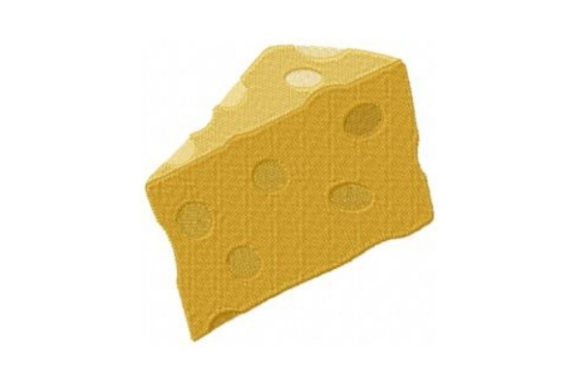
When I first opened the Swiss Cheese embroidery design, I was struck by its whimsical charm. The playful nod to a classic food item is both clever and universally recognizable, making it an appealing choice for a wide range of embroidery projects. The layout feels balanced, with a clear focal point on the cheese’s iconic holes, which are rendered in a stylized yet realistic way.
The overall mood is lighthearted and fun, perfect for adding a touch of humor or warmth to any piece. It’s not overly complex, but it has enough character to stand out without being overwhelming. As someone who works with machine embroidery designs regularly, I appreciate when a design communicates personality through subtle details—like the soft shading around the rind or the gentle curve of the cheese block.
Real-Life Use Scenarios
I see Swiss Cheese fitting naturally into several real-world embroidery applications. For example, if I were preparing a custom embroidered tote bag for a boutique client, this design could serve as a delightful accent near the handle or as a central motif for a food-themed line. Its friendly vibe also makes it suitable for baby items like onesies or bibs, where parents often look for cute, non-threatening imagery.
Another scenario I considered was using it as a decorative element on a sweatshirt for a small craft business selling personalized gifts. The design would work well in a corner, paired with a name or short phrase, creating a cohesive and memorable look. It could even be adapted as an applique design, especially if layered with other food-related elements for a themed collection.
For holiday gifts, Swiss Cheese might be ideal for a kitchen towel or apron—something that brings joy and practicality together. It's versatile enough to blend into a farmhouse-style setting or pop as part of a modern, minimalist design. In terms of commercial use, I think it would be a solid addition to design assets for Etsy sellers or small shop owners looking to add a unique touch to their merchandise.
Performance on Different Surfaces
Embroidering on a sweatshirt? No problem. The stitch density is moderate, so it should hold up well on stretchy knits if you use the right stabilizer. On the other hand, stitching it onto a patch or cap requires careful attention to hoop size and fabric texture. If the design is too large for the available space, important visual elements may get lost or distorted.
Textured fabrics like canvas or linen can enhance the design’s appeal, especially with satin stitch outlining the edges of the cheese. However, on thin or delicate materials, the fill stitches might cause puckering or distortion unless properly tested. Darker fabrics will definitely need thread colors with good contrast to maintain visibility and impact.
Design Notes for Practical Application
- Test on scrap fabric first: Always do a trial run before committing to a finished product. This helps identify any issues with stitch flow or tension.
- Check thread color contrast: Choose thread colors that complement your fabric while ensuring the design remains legible. Light pastels might work on dark denim, but bold whites or yellows could be better on neutral backgrounds.
- Review stitch density: The Swiss Cheese design uses a combination of satin and fill stitches. If you're working on a project that needs frequent washing, consider adjusting the density slightly to prevent loosening over time.
- Confirm hoop size: While the design isn’t excessively large, make sure you have the appropriate hoop size to accommodate it without stretching or cropping essential parts.
- Inspect small details: The little “holes” in the cheese are charming, but they’re also tiny. On curved surfaces or very small patches, these may become difficult to stitch cleanly.
- Use proper stabilizer: Especially for lightweight or stretchy materials, a tear-away or cut-away stabilizer will help keep the design crisp and avoid unwanted distortion.
- Test in black and white mockups: Before finalizing colors, simulate how the design looks in grayscale to ensure clarity and contrast on different background tones.
- Compare light and dark fabric backgrounds: A bright yellow cheese might vanish on a similarly colored garment. Try a few options to find the most eye-catching version.
Where to Use With Caution
While Swiss Cheese is a charming and adaptable design, there are certain situations where it might not perform as expected. Avoid using it on extremely small hoop sizes, as the details can become hard to read and lose their intended effect. Textured or stretchy fabrics also require extra care due to potential stitch shifting or uneven coverage.
If you're planning to embroider on dark fabric, be mindful of the thread colors included in the file. Without sufficient contrast, the design may appear washed out or unprofessional. Similarly, on products with detailed corners or curved surfaces like caps, the alignment and placement of the design must be precise to avoid misshapen results.
Also, because the design includes dense stitch areas, it may not be ideal for garments that undergo heavy wear or frequent laundering. Consider reinforcing those sections with additional stabilizer or using more durable fabric types to maintain quality over time.
Impact on Product Value and Customer Perception
As a designer, I know that visual appeal plays a big role in customer engagement. Swiss Cheese adds a sense of warmth and approachability to any handmade product. Whether it’s a tote bag for a local market or a personalized baby blanket, the design contributes to a stronger emotional connection with the end user.
In terms of branding, the design’s casual, food-inspired theme aligns well with lifestyle-oriented businesses. For Etsy sellers or small shop owners, it can serve as a signature element in a series of related products, helping build brand recognition and trust. Customers tend to respond positively to designs that feel intentional and high-quality—even if they're just for fun.
On giftable items, such as embroidered pillows or holiday aprons, the Swiss Cheese design enhances the perceived value of the product. It signals thoughtfulness and creativity, which are key for successful handmade sales. When used correctly, it can elevate a simple item into something truly special.
Professionalism and Giftability
Despite its playful nature, Swiss Cheese maintains a level of professionalism that makes it suitable for both personal and commercial embroidery projects. It doesn't come off as childish or tacky, thanks to its clean lines and thoughtful composition. That balance is crucial when designing for a broad audience, especially if you're aiming for versatility across different markets.
For a commercial embroidery project, this design could easily be integrated into a line of branded apparel or promotional items. Its simplicity allows it to scale well, and the theme fits neatly into food-related events or restaurant merch. Just remember to confirm licensing if you plan to sell finished items or digital embroidery files, as many free designs come with restrictions.
Final Thoughts for Designers and Makers
Swiss Cheese is a standout embroidery design that blends personality with practicality. It’s one of those rare designs that feels at home on everything from tote bags to nursery decor. But like any good design, its success depends on how it’s applied. Take the time to test it out, choose the right materials, and understand its limitations—especially when working with smaller spaces or challenging fabrics.
For hobbyists and creative entrepreneurs, this design offers a great opportunity to experiment with themes and textures. For professional embroiderers and boutique owners, it can serve as a reliable asset in a portfolio of design options. Either way, Swiss Cheese brings a smile and a sense of authenticity to any embroidery project it graces.
Remember: always check the exact stitch count, hoop size requirements, and file formats provided with the design. These specifics aren’t listed here, so don’t assume—it’s best to verify them before beginning your next project.