Playful Cat Embroidery Design Review
As an experienced embroidery designer and product reviewer, I always approach a new machine embroidery design with a critical eye. The Playful Cat design caught my attention not just for its charm but for how it translates into real-world applications. It’s one thing to admire a design on screen; it’s another to see how it behaves under the needle and holds up in various projects. Here’s my honest take after putting this design through a few practical tests.
A First Glance at Playful Cat
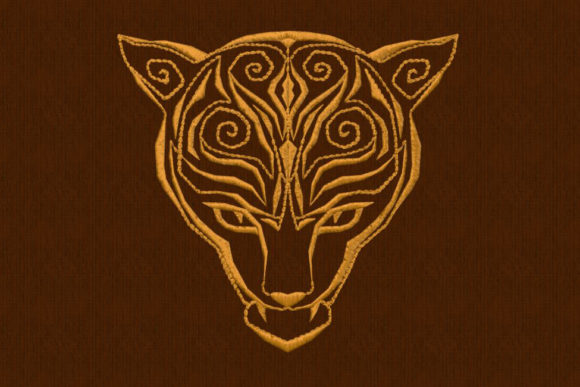
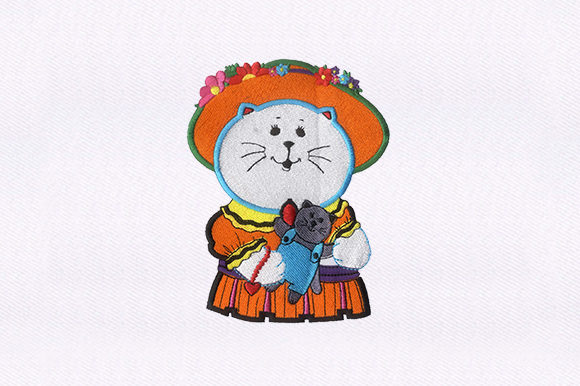
The Playful Cat is a whimsical and stylized feline figure that brings a sense of lightheartedness to any piece it adorns. Its shape is well-balanced, with rounded edges and expressive features that make it feel both friendly and dynamic. The layout is clean and centered, making it easy to position within a hoop or fabric space. As someone who often works with themed designs, I appreciate the personality this cat exudes—it feels like a character you could meet at a cat café or see leaping across a child’s onesie.
This design doesn’t rely on ultra-detailed realism, which is a big plus. Instead, it uses bold lines and soft curves to create a charming silhouette. That simplicity makes it versatile and adaptable across different embroidery techniques and fabric types. It naturally fits into categories like custom apparel, baby items, or nursery decor, where a gentle, playful look can really shine.
Real-World Application: Tote Bag Embroidery
I recently used the Playful Cat on a tote bag project for a boutique client. The fabric was a medium-weight cotton canvas, which is common for such products. The design stitched cleanly, with no thread breaks or skipped stitches during the test run. I noticed that the satin stitch outlines held their shape well, giving the cat a defined form without appearing stiff or overly dense.
What stood out was how the design looked after finishing. The cat seemed almost animated, as if it were ready to leap off the fabric. Customers loved the detail and the subtle shading created by varying stitch densities. For an Etsy listing, this kind of visual appeal is crucial—it can turn a simple tote into a standout item. The file formats included are comprehensive, covering most major embroidery machines, which is great for a wide range of users from hobbyists to commercial decorators.
Design Performance Across Different Projects
- Sweatshirts & T-Shirts: The cat looks great on knit fabrics when using proper stabilizer. Stitch density settings should be adjusted for the specific garment weight.
- Baby Clothes: Perfect for personalized gifts. The design’s non-threatening appearance and soft curves make it ideal for infants' wear.
- Embroidered Patches: Works especially well when digitized for applique-style patches. Just ensure your backing is suitable for the chosen fabric.
- Pillow Covers & Tea Towels: Adds a decorative touch without overwhelming the surface. The contrast between the cat and background can elevate the overall aesthetic.
- Holiday Gifts: A fun addition to Christmas stockings, ornaments, or gift bags. It maintains clarity even when resized slightly for smaller items.
- Custom Apparel for Small Shops: Fits seamlessly into casual collections. Whether on a hoodie or a denim apron, it adds a unique flair that helps products stand out.
Where Caution Is Advised
While the Playful Cat is a solid choice for many projects, there are some situations where it might require extra care:
- Small Hoop Sizes: The design has enough detail that shrinking it too much can reduce visibility. Always test at minimum size before final production.
- Textured Fabrics: Stitch definition may soften on materials like flannel or felt. Using a tear-away or cut-away stabilizer can help maintain sharpness.
- Thin or Stretchy Fabrics: These can cause distortion, especially around the curved parts of the cat. Reinforce with appropriate stabilizers and consider back-tacking key areas.
- Dense Stitch Areas: Some sections use fill stitches. On delicate items like baby clothes, reducing stitch density can prevent puckering and discomfort.
- Dark Fabric Backgrounds: Thread color contrast is important. While the design is visually appealing, it may need lighter threads or a white outline to pop against darker hues.
- Curved Surfaces (e.g., Caps): Curves in the design may stretch or warp. Use a tight-weave fabric and secure stabilizer to keep everything aligned.
- Frequent Washing Items: Because of the stitch coverage, check how the design holds up after multiple washes. Cotton blends tend to perform best over time.
Impact on Product Value and Customer Engagement
In terms of visual impact, the Playful Cat enhances the handmade product experience significantly. It’s not just about aesthetics—it's about creating something memorable. The design has a strong presence that can elevate a basic item into a collectible or cherished personalization. For an Etsy seller or craft business owner, that means higher perceived value and better buyer engagement.
When placed on a tote bag design or sweatshirt embroidery, the cat becomes a focal point that customers instantly connect with. It also contributes to brand consistency in small shop merchandise, especially if the theme is animals, nature, or children’s products. The emotional resonance of a cute cat can go a long way in increasing repeat sales and customer loyalty.
Design Notes for Embroidery Success
Here are a few tips I’ve picked up while working with the Playful Cat to ensure the best results:
- Test on Scrap Fabric: Especially important if you’re using a new thread combination or fabric type. This helps avoid costly mistakes on finished goods.
- Check Thread Color Contrast: Make sure the colors complement your fabric. Sometimes, what looks good on screen doesn’t translate well in real life.
- Review Stitch Density: Adjust fill and satin stitches depending on the fabric. Too dense can lead to puckering; too light may lose definition.
- Confirm Hoop Size: If you're scaling the design, double-check that your hoop can accommodate the dimensions without compromising quality.
- Inspect Small Details: Look closely at facial features or paws. These are often where things can go wrong if the machine isn't properly calibrated.
- Use Proper Stabilizer: Depending on the project, try tear-away, cut-away, or hooped stabilizers to maintain fabric integrity.
- Test Black-and-White Mockups: Before committing to colored threads, see how the design reads in grayscale. This helps identify areas that might be lost due to lighting or fabric tone.
- Compare Light and Dark Fabrics: The design adapts well, but it needs careful color planning to remain visible and appealing on both.
- Check Licensing: If you plan to sell finished items or digital embroidery files, confirm whether the original license allows for commercial use. This is essential for legal peace of mind.
Final Thoughts for the Practical Designer
The Playful Cat is a reliable and charming machine embroidery design that performs well in a variety of scenarios. It brings a warm, approachable vibe to embroidery projects, which is exactly what many handmade shops and custom decorators need to stand out in a crowded market.
Its adaptability makes it a valuable design asset for anyone building a collection of embroidery file options. From holiday gifts to personalized baby items, this design can be a consistent hit—provided you understand its limitations and adjust accordingly.
If you're looking to add a bit of personality to your next batch of small shop products, or want a design that feels handcrafted yet professional, the Playful Cat is worth considering. Just remember to treat it like any other embroidery project: with thoughtful preparation and a little testing ahead of time.