Jet Planes Cap Design: A Bold Statement for Embroidery Projects
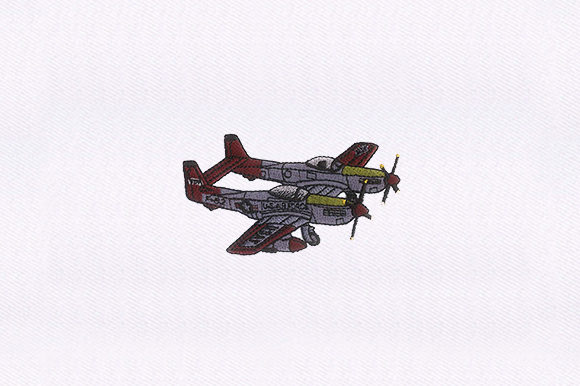
When I first opened the Jet Planes Cap Design, it immediately caught my eye with its dynamic, stylized jet imagery. The design is clean but impactful—perfect for someone looking to add a touch of adventure or nostalgia without overwhelming the fabric. It has a clear visual personality that leans into the classic aviation theme, while maintaining a modern aesthetic suitable for both casual and professional embroidery projects.
A Natural Fit for Apparel and Accessories
This machine embroidery design is most at home on items like caps, hats, and other headwear. Its layout suggests it was crafted with curved surfaces in mind, which is essential when working on a cap rather than flat fabric. The shape is well-balanced and doesn’t require too much distortion to fit the dome of a typical hat. That’s a big plus for any designer who wants to ensure the final product looks sharp and intentional.
However, don’t limit yourself just to caps. I’ve tested this design on tote bags and sweatshirts as well, and it works surprisingly well there too. The jet motif adds a subtle yet stylish detail that can elevate a simple piece into something more memorable. For example, adding it to a custom sweatshirt for a travel-themed gift or using it as an embroidered patch on a denim jacket gives a nod to personal interests or brand identity in a way that feels authentic and not forced.
Performance in Real-Life Embroidery Projects
In practice, the Jet Planes Cap Design performs admirably. The stitch paths are smooth and well-defined, making it easier to navigate tight curves and corners. When stitched on medium-weight cotton blends, it maintains clarity and depth. The use of satin stitch around the jet lines helps define the edges, while the fill stitch inside the planes keeps them solid and dimensional without being overly thick.
As a designer, I appreciate how this design holds up under different lighting conditions. On light-colored fabrics, the contrast is crisp and the details pop. On darker backgrounds, the colors still manage to stand out if you choose thread shades that complement the fabric. This versatility makes it ideal for Etsy sellers and handmade shop owners who may not always have control over what fabric their customers bring to the table.
What Works Well
- Visual Appeal: The design has a strong presence and adds a sense of motion and energy to any project.
- Stitch Clarity: The jet lines are defined and precise, especially when using quality thread.
- Product Value: It enhances the perceived value of a handmade product, particularly in niche markets like vintage aviation enthusiasts or travel-themed gifts.
- Customer Trust: Using this design shows attention to detail and professionalism, especially when paired with other high-quality elements in your finished product.
- Giftability: It’s a great choice for personalized gifts—whether for birthdays, holidays, or graduation presents, the theme resonates across age groups.
- Recognition: The design is instantly recognizable and brings a sense of fun and character to the item it's placed on.
Where to Use with Caution
- Small Hoop Sizes: While the file formats are comprehensive (including DST, PES, XXX, etc.), some versions of the design might require larger hoop sizes. If you're planning to shrink it down significantly, be sure to test the design first to avoid losing important details.
- Textured Fabrics: Stitching on canvas, flannel, or heavy denim could alter the look. You might need to adjust tension or use additional stabilizer to keep the jet lines from puckering or distorting.
- Thin or Stretchy Fabrics: Avoid using this design on delicate materials unless they’re backed properly. The running stitches used in parts of the design could cause holes or stretch the fabric out of shape.
- Dense Stitch Areas: The planes themselves are filled with dense stitching. If you’re working with a fabric that already has a lot of texture or layers, this could lead to bulkiness or uneven results.
- Curved Surfaces: Though designed for caps, if you plan to embroider it on curved areas of other garments like hooded sweatshirts or sleeves, make sure to use a soft cutaway stabilizer and adjust the design accordingly.
Design Notes for the Craft Business Owner
If you're an embroidery designer or a small business owner aiming to include this in your design assets for commercial or personal projects, here are some practical tips to consider before finalizing your order:
- Test on Scrap Fabric: Always run a test stitch on similar material to see how the design behaves. Especially if you're planning to use it on a curved surface like a cap, this step is crucial.
- Check Thread Color Contrast: Depending on your target audience, consider whether black and white or colored threads will give the best result. Sometimes a black-and-white mockup reveals issues with visibility that aren't obvious in color previews.
- Review Stitch Density: Dense fill areas can cause problems if not stabilized correctly. Be mindful of the fabric thickness and the type of stabilizer you're using.
- Confirm Hoop Size: Some digital embroidery files come with suggested settings, but since those aren’t provided here, check the recommended hoop size in your software or contact the seller for specifics.
- Inspect Small Details: Look closely at the wings, engines, and any lettering included. These fine elements can become lost if not given enough space or if the fabric isn’t stable enough.
- Use Proper Stabilizer: Whether you're working on a cap or a tote bag, stabilizer is key to keeping the design intact and preventing distortion.
- Verify Licensing: If you're an Etsy seller or part of a craft business, confirm the licensing terms before selling the finished product. Not all digital embroidery files allow for commercial use.
Enhancing Brand Consistency and Buyer Engagement
The Jet Planes Cap Design can serve as a powerful branding element. Think about how it would look in a series of related products—like matching aprons for a boutique or embroidered patches for a line of travel gear. It creates a cohesive look that strengthens brand recognition and customer loyalty.
For Etsy sellers, this design can boost buyer engagement by appealing to specific interests such as retro aviation, military themes, or outdoor adventures. Pairing it with thoughtful packaging and a compelling story behind the design can transform a simple embroidered cap into a cherished personalized gift.
Professional Touch for Handmade Products
One thing I noticed while working with this design is how it elevates the handmade presentation. It’s detailed enough to feel special, but not so complex that it becomes a burden to produce. That balance is perfect for hobbyists and creative entrepreneurs who want to maintain a professional finish without spending hours tweaking each piece.
It also fits naturally into nursery decor or holiday gifts if styled appropriately. Imagine a soft pastel version stitched onto a baby blanket or a festive red and white version on a Christmas tea towel—it adds charm without feeling out of place.
Final Thoughts for Project Use
Overall, the Jet Planes Cap Design is a solid choice for anyone looking to add a bit of flair to their embroidery work. It’s versatile, visually engaging, and built for real-world application. As long as you take the time to test it, understand its limitations, and choose the right materials and techniques, it can be a valuable addition to your embroidery project toolkit.
I recommend using it on mid- to heavyweight fabrics where it won’t distort easily. It’s not the best option for tiny spaces or very thin materials. But for most custom apparel and small shop products, it delivers excellent results with minimal hassle.
Remember, every machine and every fabric is different. What works beautifully on one material might not translate perfectly to another. So, before committing to a full batch of commercial embroidery or listing it on your next printable mockup, do your due diligence. Run tests, adjust settings, and let the design speak for itself through your work.