Baby Gingerbread Rudolph Embroidery Design Review
As an experienced embroidery designer, I’m always on the lookout for high-quality machine embroidery designs that can elevate a small business’s branded merchandise. The Baby Gingerbread Rudolph design caught my attention with its festive and nostalgic charm, but I need to assess whether it meets the standards required for commercial use. This review is aimed at helping small business owners, embroidery shops, apparel decorators, and handmade brands determine if this design is suitable for their next project.
First Impressions: Festive and Friendly
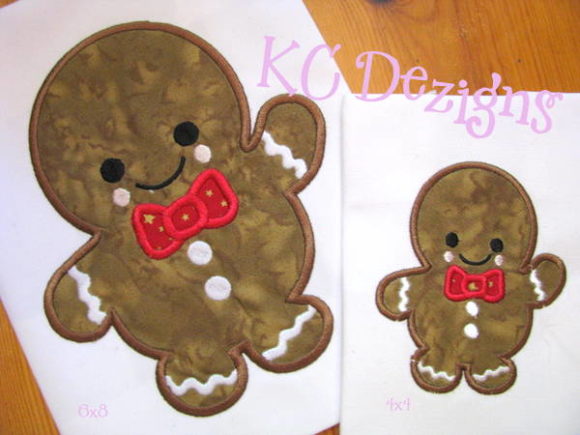
The Baby Gingerbread Rudolph design evokes a warm, playful, and slightly rustic aesthetic. Its name and description suggest a whimsical, Christmas-themed motif—ideal for holiday branding or seasonal products. While the product title doesn’t specify file formats or stitch count, the phrase “machine applique embroidery machine” implies it's designed for machine embroidery rather than hand-stitching. As such, it should be compatible with standard embroidery software, though users must confirm compatibility before purchase.
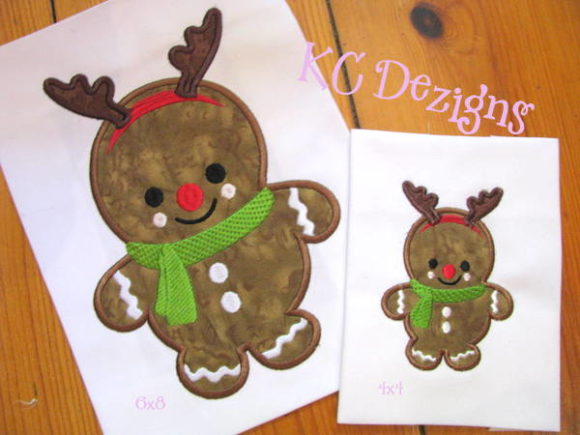
Visually, the design appears to be crafted with care, likely featuring soft curves and a charming gingerbread man style with Rudolph’s iconic red nose. These characteristics make it feel more like a handmade product than a mass-produced template. However, since it’s intended for machine embroidery, it needs to maintain clarity and precision across different fabric types and embroidery applications.
Real Business Use: A Versatile Holiday Asset
This design could work well in several small business merch contexts. For example:
- Embroidered patches: Ideal as a holiday accent on tote bags, aprons, or even employee jackets.
- Chest logo accents: The design’s friendly nature makes it a great complement to a minimalist uniform or branded apparel.
- Sleeve details: Adds a subtle touch of personality without overwhelming the overall look of the garment.
- Cap embroidery: Especially effective on front-facing caps for café staff, pet store employees, or boutique workers during the holidays.
- Tote bag marks: Embroidering Baby Gingerbread Rudolph on custom tote bags can give your brand a cozy, seasonal appeal.
- Apron design: Perfect for bakeries, cafés, or craft businesses looking to add a fun visual element to daily wearables.
- Product packaging accents: Can be embroidered onto reusable gift bags, aprons, or custom hangers to reinforce your brand identity.
- Customer gifts: Embroider it on small items like keychains or mini aprons to create memorable holiday giveaways.
- Event merch: Great for themed events, markets, or seasonal pop-ups where a cheerful design is needed.
- Etsy branding: If you're selling handmade goods online, this design can help your products stand out with a personal, festive flair.
- Printable mockups: Offers a good visual for marketing materials when used in digital templates alongside other design assets.
Brand Identity and Customer Engagement
The visual personality of Baby Gingerbread Rudolph leans toward the premium and playful. It’s not overly bold, so it won’t clash with more serious brand elements, yet it adds enough character to enhance customer engagement. In the right context, it can help build a sense of warmth and familiarity around your brand—especially during the holiday season.
However, for businesses aiming for a modern or elegant brand image, this design may require careful pairing with other design assets. It works best when your brand already embraces a classic, handmade, or artisanal vibe. That said, many craft businesses and local boutiques thrive on this kind of imagery, using it to evoke nostalgia and community spirit.
Where to Use Carefully: Avoid Over-Commitment
While the digital embroidery file seems promising, there are a few areas where caution is necessary to ensure the final product looks professional:
- Small patch sizes: The design might lose detail if reduced too much. Test it at minimum size before committing to production.
- Cap fronts: Due to limited space, the design may appear cluttered unless simplified or repositioned.
- Curved surfaces: The intricate lines and shapes could distort on curved areas like sleeves or hat brims. Consider using a segmented layout or adjusting the design accordingly.
- Tiny lettering: If the design includes text (not specified in the description), verify that it remains legible at smaller scales.
- High stitch density: Depending on the file, dense stitching may lead to puckering on lighter fabrics. Always check how it behaves on your specific material.
- Detailed outlines: Any fine linework or small features may struggle to translate clearly into the finished embroidered patch, especially on textured surfaces.
- Textured fabric: The design may not lay flat or show detail well on canvas, denim, or similarly rough textiles. Smooth cotton blends are safer choices.
- Dark uniforms: Thread color contrast will be crucial here. Light-colored threads may not show up well against dark backgrounds. Always test thread combinations.
- Items that need frequent washing: High stitch density or delicate outlines may fade or distort over time. Choose durable thread colors and quality stabilizers to prevent damage.
Designer Notes: Best Practices for Commercial Embroidery
Before using Baby Gingerbread Rudolph in any commercial embroidery project, here are some essential steps every designer should follow:
- Test in black and white first: This helps evaluate contrast and visibility, especially if your brand uses monochromatic schemes.
- Check small patch performance: Resize the design and run a test stitch to see how it holds up at a reduced scale.
- Review thread color contrast: Ensure that the colors chosen align with your brand palette and provide sufficient contrast on the target fabric.
- Inspect spacing and proportions: Make sure the design isn’t overcrowded and fits comfortably within the available embroidery area.
- Confirm hoop size: Without clear information from the seller, reach out to verify the recommended hoop dimensions to avoid distortion.
- Test on real fabric: Every textile reacts differently to embroidery. Run a trial stitch on the actual material you plan to use.
- Use proper stabilizer: Especially important for delicate or stretchy fabrics to keep the design crisp and clean.
- Create a printable mockup: Share a preview with clients or team members to confirm they’re happy with the placement and scale.
- Compare beside other design assets: Ensure it harmonizes with your existing logos, fonts, and branding materials.
- Confirm commercial licensing: Always double-check the terms of use to ensure the design can legally be used for branded merchandise and not just personal projects.
Final Thoughts: A Nostalgic Addition to Your Brand Kit
In summary, Baby Gingerbread Rudolph has strong potential as part of a seasonal or year-round branding strategy for businesses that value a friendly, handmade aesthetic. Its versatility across various custom apparel and promotional items is a major plus, particularly for Christmas campaigns or event-specific branding.
However, due to the lack of specifics about file format, hoop size, and license terms, I recommend reaching out to the seller for full transparency. Once confirmed, the design can become a valuable addition to your design assets, enhancing product value and contributing to a consistent, recognizable brand identity.
When executed properly, this design can boost customer trust through thoughtful, visually appealing embroidery file integration. But remember—just because it’s festive doesn’t mean it should be used everywhere. Strategic placement and testing are key to ensuring your finished product maintains professionalism while delivering charm.